What You Need To Get Started

So..............

Now you have either made your first "balloon wine" with bottled juice and are ready to go from good homemade wine to FINE homemade wine or a friend has treated you to his homemade beer or wine and you want to make your own. You ask a friend how and all the terms and equipment he mentions sounds like parts of the space shuttle. Not being a rocket scientist you are ready to give up.

Do not dispair.

Like most things, making a great beer or a fine wine is simpler than you think . Your main investment is time. Homemade beers and wines are often better than you can buy and you can suit them exactly to your taste.

Starting is easy and inexpensive. Your brewing supplier will help you fit your budget and you can start simple and advance into the areas you want to go. A great way to start your first beer is with a "kit beer" (concentrate that has been tried and tested by the maker, ask your brewing supplier what each one is like.) For wine, concentrates from your supplier are good, but nothing beats real whole fruit. Your supplier, in addition to personal advise, will have some excellent books on brewing. The net is a good place to find interesting recipes and there are several areas in newsgroups to meet and message with other beer and wine makers. NEVER hesitate to ask a question. Part of the enjoyment of the craft is sharing the experiences and knowlege. Shown and described below is basic equipment you will need. Let's get started!


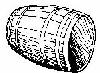
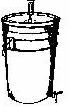
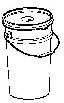
Various types of primary and secondary fermentation vessels are available from homebrew suppliers ranging from food grade plastic and glass "carboys" to oak barrels. Pictured below are a few vessels available. Ask your supplier which is right for what you want to do.

pictured with the glass carboy is an accessory heater
also pictured is a handle available for the glass carboy

Fermentation vessels - barrels, plastic, and glass


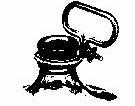
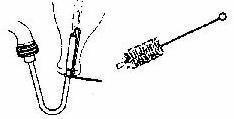
Cleaning and sterilizing is one of the most important steps in good beer and wine. Your brewing supplier can provide you with the proper chemicals to wash your fermenters in. Hot water and a bleach mix works reasonably well however your supplier can provide you with the best in clensing agents. Make sure you clean them completely. If you are reusing them to make the next batch, be sure to clean all residue from the last brew or wine, even if you are making the same type again. Shown below are some simple items you can get from your supplier:

Power washer and bottle brush


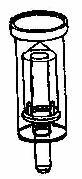
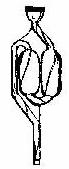
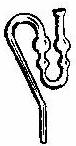
After you have secured your primary and secondary fermentation vessels, the first thing you will need is a fermentation lock pictured below. The purpose of the fermentation lock is to allow the gasses produced in the fermentation process to escape while keeping outside air tainted with wild yeasts that would destroy your beer or wine from entering your "must". Ask the brewing supply store where you purchase your equipment what style he recommends. You will most likely need a rubber stopper adapter pictured with the locks.

Fermentation Locks and Rubber Adapter


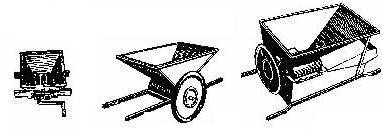
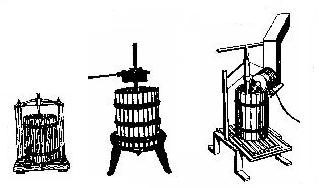
Ingredients for beer and wine may come in concentrate form that requires no more than heating for beer or adding to corn sugar for wine. Or, you may opt for using whole grains for beer or whole fruit for wine. Your supplier will have grains ready to use for beer. For wine, however, if you use whole fruit, you need to crush, press, or in some way extract the juice. For smaller batches (i.e. one gallon) or if you wish to take the time you can mash your fruit in a collander much like a druggist and his mortor and pestal. Soon, however, you will began making more wine in larger quantities or get that rare buy on a quantity of the perfect grape and need to extract the juice for future use. Shown below are a few examples of fruit crushers and presses available.

Fruit Crushers

Fruit Presses


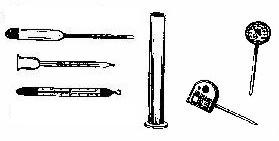
One very important factor in good beer or wine is consistancy. Acid level, sugar content, and alcohol content can be controled with the use of chemicals. Hydrometers and acid test kits like those shown below are your aid in knowing what to add and when.

Measuring Devices


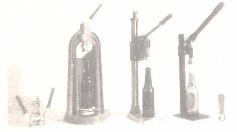
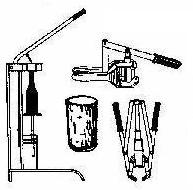
When your wine or beer is ready to bottle, bottling is made easy with the use of cappers and corkers. Various styles of beer cappers are shown below:

while wine corking devises (not to be confused with cloaking devises which would make your wine impossible to find) are shown below: (Note the 3 different types of corks available, from the left the barrel-shaped cork, the plastic champagne cork, and the push-in cork.)
                                                       

A note about aquiring bottles:
Your brewing supplier will have bottles available for you to purchase for both beer and wine. However, if you are willing to go to the trouble of picking them up, soaking the labels off, and sterilizing your bottles, there are local sources for free. Talk to your neighborhood bar. If someone hasn't beaten you to it, you may have them save their bottles. Never use bottles designed for screw-caps. The tops are thinner glass and the pressure applied in crimping and sealing the cap will break them resulting in:
A. Self-mutilation (the severing of fingers and major arteries) and
B. Alcohol abuse (the ruination of fine beer).
Most imports and micro-breweries use the cap-type bottle.

Champagne bottles make excellent wine bottles. Check with local hotels that serve a Sunday champagne breakfast. If you ask, they will generally save them for you. Otherwise, it's dumpster hopping time. (Special note to men: It is not generally considered polite in most cultures in this country to throw your wife in the dumpster to search for your bottles. If you want them, get them yourself.)

For gift giving, check your local hobby store, such as Hobby Lobby. They often have beautiful and unusual decorator bottles that you can bottle your "gift" wine in. Some will have an opening the size of the corks available at your brewing supplier. If not, and you desire to use the tapered cork that comes with the bottle, a lovely (and delightfully medieval) way to seal them is to press the cork down firmly (but not TOO hard) after bottling and seal the cork totally with candle wax. The recipient of your gift simply cuts and removes the wax and cork and enjoys your wine. You will enjoy seeing your bottle grace the mantle long after the wine has been enjoyed.
There is no limit to how involved you can be in beer and wine making. Many have turned their hobby into a successful micro brewery. Your best friends are the people at your homebrew supply house. Learn and enjoy an age old and respected craft, brewing.

Don't Forget The Kids!

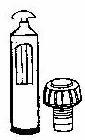
It's easy to get the kids involved in creating their own "bubbly". Your brewing supplier will also have a full line of soda pop extracts. Help the kids learn to make their own soda for pennies a bottle. Many varieties of sodas, including a good old-tyme sarsparilla, are available and complete "brewing" instructions is included with each bottle of extract.


Root Beer Soda Extract


Equipment and accessory images are from the 1992 catalog of The Cellar© Homebrew Supply in Seattle, WA. and are used by permission. Their web page is very well laid out, and you may order directly from their page with a major credit card on a secure server. Also on their page is an excellent glossary of brewing terms you will find very informative. Check it out..


If you have comments or questions, please send mail to The Webmaster.